
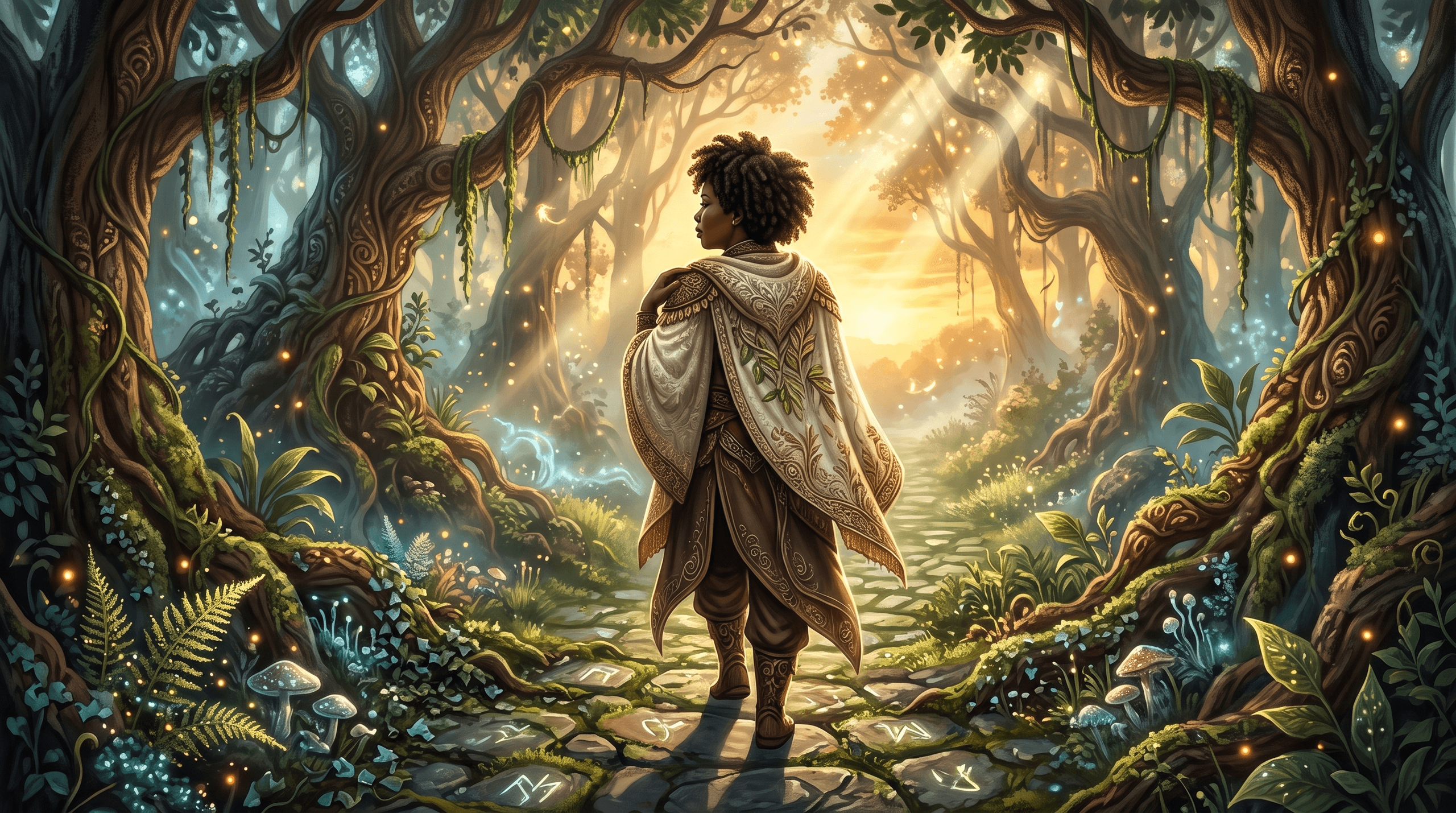
Life After Losing a Spouse: Six Years In, Where I Actually Am
Life after losing a spouse, six years in, is not over and it is not stuck. It is rebuilding, and rebuilding is a practice, not an event.
Grief changes shape instead of ending, and identity is rebuilt around the loss, not recovered.
This is for widows and widowers who feel they should be further along.
On November 3, 2020, my husband transitioned. In that moment, I could not breathe. My body went with him before my mind could catch up. I often say I died when he did. I look the same. I am not the same. Six years later, I am still rebuilding, and I know it.
I am Jamie London Clay, an Identity Reconstruction Guide, and this is the Prologue to a series called Still Moving. I am writing from inside the rebuilding, not from behind it.
How long does grief last after losing a spouse?
There is no finish line. Grief doesn’t end on a date; it changes shape, and it can return on an anniversary, a birthday, a song, or a scent without asking permission.
Six years in, mine did not disappear. It became a resident I know by name. Mayo Clinic describes these returns as anniversary reactions: grief can resurface years after a loss, and the intensity signals how much the person mattered, not that you have failed to heal. It also recommends preparing for those dates and making room for both sadness and joy. If your grief intensifies over time or disrupts your daily life, please bring a grief counselor or mental health provider in. That is wisdom, not weakness.
What works for me is small and private: tiny rituals that are only mine, and controlled time set aside to feel the grief instead of outrunning it. You cannot outrun the silence. You learn to sit in it.
What does life actually look like six years after losing a spouse?
It looks like a person who is still rebuilding and has stopped apologizing for it. Six years in, I am rebuilding the way I think and feel, my body, my principles, my return to self without a partner, and my finances.
In practice, that means new morning and evening rhythms. It means confidence in decisions I used to make with him. It means a social identity as an “I” instead of a “we.” And it means a future I plan three months at a time.
A 2025 study in the European Journal of Ageing, which followed more than 1,300 adults over fifty, found that people who became widowed reported fewer concrete plans for the future and a stronger pull toward the past (de Paula Couto and colleagues, via PubMed Central). When I read that, I recognized my own calendar.
Rebuilding is not an event. It is an ongoing practice. That is the first thing I wish someone had told me.
Why does the body still remember a loss years later?
Because the body tells the truth before we can explain it. Mine recorded the moment John died, and it has not forgotten.
My husband, John, was diagnosed with stomach cancer in 2018. His stomach was removed in 2019. The cancer returned in April 2020, and because of COVID, I became his caretaker and his hospice nurse at home. I administered his comfort medications myself. He died at home, surrounded by family, and I stayed with him until his last breath. I had that last breath with him.
Nothing prepares you for the shock of the final breath, even after all the preparation. What I learned at that bedside is something I still use: faith and delusion are two different things. Faith walks into the room and sees what is in it. I stopped trying to fix and started keeping him clean, safe, and comfortable. Caring, I learned, is often surrendering.
Your body never forgets, and you will still learn how to breathe again. Both are true, and I am living proof of the second one.
What does nobody tell you about the first months after a spouse dies?
Grief arrives as paperwork before it arrives as feeling. When the house clears, there is medical equipment to return, forms to sign, and a heavy silence where a full routine used to be.
I had decision fatigue so deep that choosing what to wear felt like climbing a mountain. My body was still running the death process schedule, a phantom caregiving routine for a patient who was gone. The fog is real, and you are not losing your mind.
Here is what I wish someone had said to me in those first six months. Your only assignment is the day in front of you. You do not owe anyone an update on how you are doing. It is okay if you are completely different now. And you are allowed to feel relief when the suffering ends. Relief and love can live in the same body. You are not relieved that he is gone. You are relieved that his pain stopped.
Who am I after my spouse dies?
You are still you; the role ended, but the person did not. I lost the caregiver identity overnight: the protector, nurse, and advocate. I went from being urgently needed every hour to having nothing to do. I lost the private language we shared, the routine of a life built for two, the future we had negotiated, and the social anchor of being someone’s plus-one.
Psychology Today writer Sophia Dembling calls these secondary losses: the parts of your identity that were tied to the relationship disappear along with the person. That is exactly what “I don’t know who I am anymore” means in a widow’s mouth. It is not confusion. It is accurate.
The role ended. The person did not.
I walk through the world with a harder shell now: sharper, less patient with trivial things, and fiercely protective of my solitude. I live in a liminal space, no longer who I was when I was married and not yet who I am becoming. What changed is that I am no longer available to people who need me to be the old version of me, and I do not have to explain who I am. I only have to keep becoming her.
If you need a framework to lean on while you do that, I wrote The Complete You, a guide to whole-person healing after life’s disruptions. It is not a cure. It is a place to set the pieces down and look at them honestly: The Complete You.
Is it normal to still struggle, financially and emotionally, years after a spouse dies?
Yes. Some things do not resolve, and that does not mean you are failing. Unresolved does not mean unhealed.
A scent, a song, or a date can pull the floor out without warning. Some relationships shifted and never came back. There is a steady undercurrent of loneliness. And financial difficulty is still part of my story: I do not yet have the income I am building toward, and I am not giving up on it. If that is your story too, you are not alone, and you may find the financial challenges widows face worth a read.
So I stopped trying to cure the sadness and started treating it as a resident. I sit in the quiet. I carry his memory forward actively. I learn new ways to produce income, and I pour my attention into creating and into my music. I am rebuilding and building at the same time, and I have stopped believing those are opposites.
What did a biopsy on my foot teach me about healing?
That the body keeps preaching, and the sermon is worth hearing. This year I gave myself permission to pay attention to what I feel, and my foot caught my attention immediately.
A biopsy on the bottom of my foot became a living sermon. The wound is open and still healing. The foot still works. I am walking on my toes, slower, carried by the parts I overlooked. Nobody sees the bottom of your foot while you are standing. People see you upright and moving. They cannot see what you are walking on.
I am not telling you my grief caused a wound. I am telling you my life resembles my foot. I look like I am walking, and I am. I am also carrying weight on the parts of me that are still tender. I am not a doctor, and nothing here replaces medical care. If something in your body gets your attention, listen to it and have it checked.
Can you be rebuilding and still moving at the same time?
Yes. Destiny and drag can occupy the same body at the same time. Completeness means undivided, not disruption-free.
I can be whole and rebuilding. I can be moving and tender. I can be further along than I was last year and still not where I am going. That is the core truth of this series, and my piece on wholeness vs. perfection explains why undivided is the goal. If you are tired of hearing that healing should be faster, healing feels slow is for you, and my larger piece, rebuilding your life after hardship, is the pillar this whole series stands on.
In the parts that follow, I will take you through what the cut, the pressure, the strengths I overlooked, the drainage, and the slow pace each taught me.
What should you do if you are years into widowhood and feel you should be further along?
Stop measuring yourself against other people’s estimates. You were never on their timeline.
Lower the horizon: plan the next three hours, then the next three months. Name every loss, including the ones no one asks about. Leave early if you need to, and drive your own car. If you are in the first stretch, healing for widows starts where you are. And give yourself the same grace you would give someone you love.
Frequently Asked Questions
Is it normal to still grieve six years after a spouse dies?
Yes. Grief changes shape over time, and anniversaries, songs, and scents can bring it back. Unresolved does not mean unhealed.
How long does it take to rebuild your identity after losing a spouse?
There is no set timeline. Rebuilding is an ongoing practice, not an event. Six years in, I am still rebuilding, and I know it.
Is it normal to feel relief after a spouse dies?
Yes. Relief that suffering has ended is not relief that the person is gone. It does not mean you loved less.
What does “I died when he did” mean?
It describes losing the life and identity you had with a person, not a literal claim. The person who shared that life is gone, and you are rebuilding who you are without them.
Begin Here
If you are six years in, or six days in, and tired of being told what you should feel by now, you don’t have to rebuild alone. Every day you spend pretending you are further along than you are, you rebuild around the wound instead of through it.
The Rebuild Session is private, Spirit-led guidance with me, where we name what ended, find what still lives, and take one clear step into who you are now. Not therapy. Not a course. One session, one map, one next step.
Begin here 👉🏾 The Rebuild Session
If you are not ready for a session but want to stay close to this work, weekly truth is waiting for you. Join the Soulful Sanctuary: jamielondonclay.com/the-rebuild-sessions/
About the author.

She has been widowed since November 3, 2020, after caring for her husband through cancer as his caretaker and hospice nurse at home.
A former licensed minister with more than thirty years of ministry experience in leading, singing, teaching, and administration; a professional singer for more than twenty years; and a BA in Entrepreneurship, she has been building her online business since 2016.
She is the author of The Complete You. Her content is educational and faith-rooted and is not a substitute for medical, mental health, legal, or financial advice from a qualified professional.
From disruption to wholeness. Rebuilding with you. Jamie, from the Soulful Sanctuary Frequency.