
7 Ways to Build Black Wealth and Reclaim Your Family’s Legacy
Disclosure: This post contains affiliate links. If you purchase through my links, I may earn a commission at no extra cost to you.
My grandmother turned 93 in August of 2022. Not long after, I sat with her, just my siblings and me, letting her pour her wisdom into us while she was still here to give it.
She told us, like she always does, about growing up in the South. Her family worked the fields, working for white families, building a life on land and labor that was never going to build them anything back.
She still talks about her “40 acres and a mule.” She says the government of the United States owes her. And she is not wrong to say it.
The same people sitting in Congress today come from her generation, the Silent Generation, and their families have generational wealth. Hers doesn’t. That is not a coincidence. That is the design working exactly as it was built to work.
My grandmother believes God had her here for a reason, and that her descendants would and should be as wealthy as their peers today.
Her words are what made me take building wealth seriously, not as a side interest, but as an inheritance I’m responsible for either passing forward or letting die with me.
I’m Jamie London Clay, Identity Reconstruction Guide. Reconstructing identity is not only spiritual work, it’s also economic work, because you cannot fully own who you are while a system is still deciding what you’re allowed to have.
This piece is seven ways to build wealth, but underneath it, it’s really about refusing to let my grandmother’s “40 acres” stay a story we only tell instead of a legacy we finally build.
My grandmother went home on June 9, 2025. I buried the last living grandmother I had, and something in me shifted permanently; I stopped being elder-protected and became matriarch-in-becoming.
I wrote the fuller reflection on that transition in Divine Legacy and Grief. What I’m carrying now isn’t only grief. It’s the mantle, not sorrow, but purpose, not an ending, but the answered prayer her generation worked toward.
So when I hand you these seven ways to build wealth, understand what it cost to write: I’m not teaching this from theory anymore. I’m the one who has to actually build it now.

What the Wealth Gap Actually Looks Like Right Now
Wealth is not income. It’s assets, property, savings, investments, minus debts. It’s what cushions an emergency, funds a dream, and outlives you.
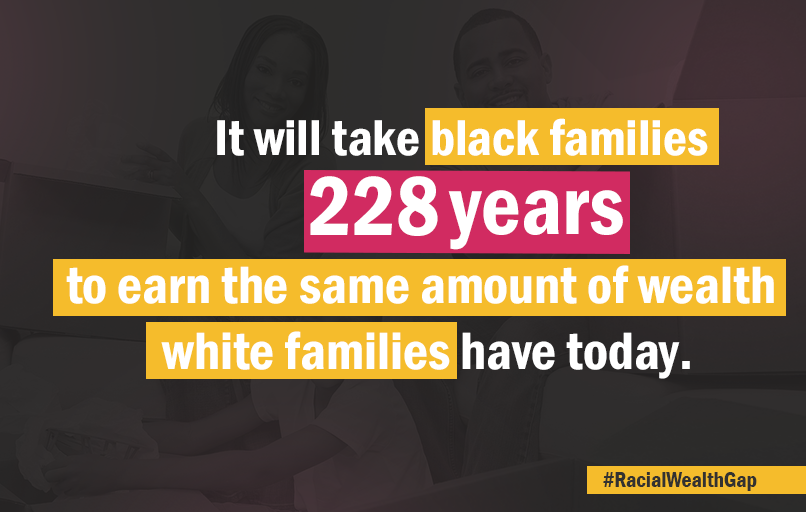
And according to the Brookings Institution’s most recent full wealth survey analysis, for every $100 in wealth held by white households, Black households hold about $15.
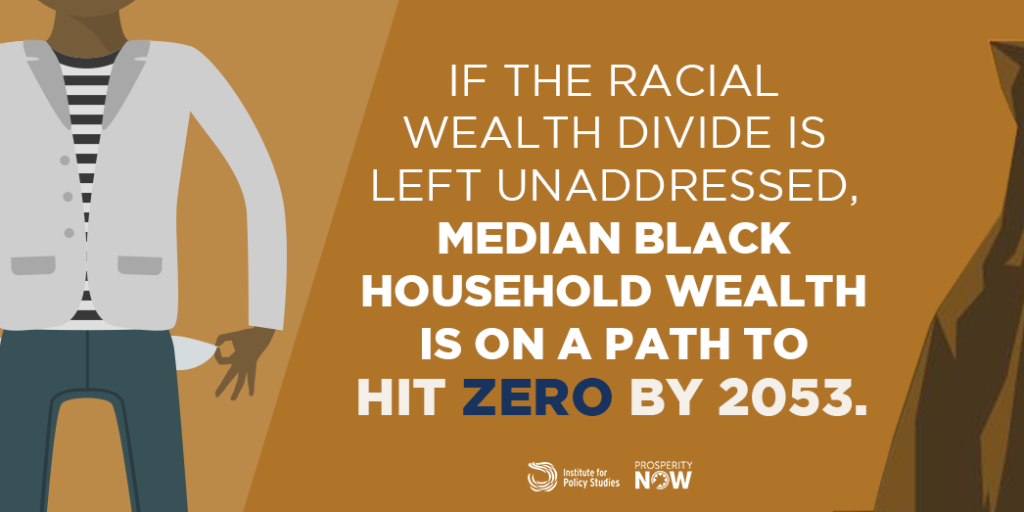
Median Black household wealth did grow between 2019 and 2022, from roughly $28,000 to roughly $45,000, but the gap grew right alongside it, now sitting at $240,120 in median wealth between white and Black households, one of the widest gaps since 2007.
A more current snapshot from the Federal Reserve’s own household wealth data, tracking through the end of 2024, puts average white household wealth at roughly $1.5 million against roughly $352,000 for Black households, about 4.4 times the gap.
Different measure, same story: both wealth pools have grown since the last recession, but white wealth has grown faster, so the actual dollar gap keeps widening even while everyone’s number goes up.
And it isn’t a wage problem alone. McKinsey’s most recent estimate puts the annual disparity between what Black workers earn today and what full wage parity would look like at $220 billion a year. Every year. That’s not a personal finance failure. That’s a structural one.
Three things built this gap on purpose, not by accident:
- Historical dispossession. The promise of 40 acres and a mule was revoked within months. Redlining. GI Bill exclusions that locked an entire generation out of the exact wealth-building tools their white peers were handed.
- Wage discrimination. Generations of underpaying Black labor and blocking access to the industries where real money moves.
- Limited access to financial tools. Higher interest rates, fewer approvals, more friction at every single step toward ownership.
Brookings says plainly that the wealth gap isn’t about education, income, or saving habits. It’s structural. Understanding that isn’t an excuse to stop building; it’s the thing that lets you build without internalizing a lie about why you started behind.
“Wealth is the ability to experience all aspects of life.”
— Henry David Thoreau.
A Legacy Denied: The Real Story Behind “40 Acres and a Mule”
After the Civil War, General Sherman’s Field Order No. 15 promised 40 acres and army mules to formerly enslaved Black families.
It was the first, and the only, real attempt this country ever made at reparations. Within months, President Andrew Johnson revoked it, and the land went back to the former Confederates who’d lost it.
If that promise had held, an entire generation of Black Americans would have started with land, assets, and autonomy.
Instead, most were pushed into sharecropping, and sharecropping built generational poverty instead of generational wealth.
That is not ancient history. That is the reason my grandmother, sitting across from me in 2022, was still naming a debt nobody has ever paid.
Generational wealth wasn’t just denied to us. It was systematically extracted. And the work of reparations, Black entrepreneurship, and economic justice today is still, in real terms, an answer to that same broken promise.

What Wealth Actually Buys, Beyond the Number
Wealth isn’t cash sitting somewhere. It’s options.
- The freedom to walk away from a toxic job
- The ability to fund your child’s education without drowning in debt
- The power to invest back into your own community
- The choice to retire with dignity instead of fear
For Black families specifically, wealth today has to include three things most wealth conversations leave out:
- Financial literacy. Knowing how to manage, multiply, and protect what you already have.
- Health and wellness. Because stress, untreated illness, and burnout quietly drain wealth-building the same way a bad investment does.
- Legal protection. Wills, trusts, insurance, and estate plans are the paperwork that decides whether what you build actually reaches the next generation.
Building wealth is not one clever move. It’s a whole-person system: knowledge, discipline, health, and support, working together.
A Legacy Denied: The Truth Behind “40 Acres and a Mule”
Following the Civil War, General Sherman’s Field Order No. The government promised 40 acres and army mules to Black families who were enslaved. It was the first—and only—attempt at reparations for slavery. Within months, President Andrew Johnson revoked the order. The authorities returned the land to former Confederates.
If this policy had been in place, Black Americans would have gained freedom, assets, autonomy, and dignity. Instead, many were forced into sharecropping and generational poverty.
This legacy still haunts us. Generational wealth wasn’t just denied—it was systematically extracted. The vision continues today through efforts for economic justice, reparations, and Black entrepreneurship.
Seven Ways to Build Black Wealth, Starting Now
These are the seven strategies I keep coming back to, the ones with real evidence behind them, not the ones that sound good in a headline.
1. Organize a family investment structure
Pooling money is a time-tested strategy older than any of the platforms built around it. Form a family investment LLC with five to ten trusted relatives, and use it to buy property, start a business, invest in stocks or funds, or provide capital to a family-owned venture.
It creates a legal framework, real tax benefits, and long-term investment capability that no single person building alone can match.
Platforms built specifically around Black-led investment, commercial real estate projects, and impact campaigns revitalizing Black communities often accept investments starting as low as $1,000.
2. Get into real estate, even with limited capital
Black homeownership sits at a historic low, but you don’t have to do it alone or all at once.
- Partner with a sibling or trusted friend to purchase a duplex or multifamily property as a team.
- House hack: live in one unit, rent out the other, let the property help pay for itself.
- Consider REITs, real estate investment trusts, which let you invest in real estate with as little as $10.
Every property you touch becomes a potential legacy tool. Build the equity now. Let it work for someone besides a landlord later.
3. Build and protect your credit like it’s an asset, because it is
Your credit score can unlock or permanently block access to loans, housing, and even certain jobs.
- Use a secured credit card and pay on time, every time.
- Ask a relative with strong credit to add you as an authorized user.
- Dispute errors and check your score monthly, not once a year.
A strong credit score isn’t vanity. It’s you paying less over time and gaining more access to the tools that build wealth in the first place.
4. Build a knowledge club, not just a social one
The wealth gap isn’t only financial. It’s informational. Start a book or podcast circle focused on investing, budgeting, entrepreneurship, and the mental and emotional weight money carries in our community.
Two places to start: The Wealth Choice by Dennis Kimbro and Get Good with Money by Tiffany Aliche. Meet monthly. Apply what you learn together. Share what works.
5. Get insurance and an estate plan before you think you need one
More than 70 percent of Black adults don’t have a will or trust, according to LegalZoom, which means whatever they built can quietly get lost to probate or state seizure instead of reaching the people it was meant for.
- Get term or whole-life insurance.
- Create a simple will. Many are free to draft online.
- Name beneficiaries on every account you hold.
It doesn’t matter how small your estate is right now. Protecting it is an act of love aimed at people who aren’t born yet.
6. Protect your health, because burnout is expensive
You cannot build wealth from a body that’s under constant stress, managing untreated illness, or fighting for basic survival.
Hypertension, diabetes, depression, and anxiety are not separate from your finances; they’re wealth-building costs nobody puts on the spreadsheet.
- Actually, use your PTO.
- Walk for twenty minutes a day.
- Practice therapy or journaling as consistently as you’d practice budgeting.
Wellness is wealth. Burnout is one of the most expensive things you will ever pay for, and it rarely shows up on a bank statement until it’s already cost you something bigger.
7. Buy Black, invest Black, hire Black
Circulating dollars inside the Black community multiplies collective wealth. The NAACP has reported that every dollar spent at a Black-owned business stays circulating in the community two to three times longer than a dollar spent elsewhere.
- Use platforms built for Black-owned goods and services, and support Black-owned Etsy shops directly.
- Hire Black coaches, artists, and freelancers first when you have the choice.
- Bank with Black-owned credit unions and institutions.
It was never about exclusion. It’s about equity, and about making sure the dollars already moving through our community stay long enough to actually build something.
It’s not about exclusion—it’s about equity.
The Political Climate Is Not a Future Risk. It’s the Current One.
This isn’t a hypothetical anymore. Project 2025, the policy blueprint built by the Heritage Foundation, and Project Esther, its faith-framed counterpart, are not “what a future administration might do.”
Rollbacks to civil rights protections, DEI initiatives, and federal financial watchdogs are already underway.
If you want to track what’s actually moving, not what’s rumored, the NAACP Legal Defense Fund keeps a live tracker of executive actions as they happen; that’s a better use of your attention than any single headline.
Here’s what actually protects you and your wealth inside that reality:
- Learn the policies yourself instead of only reacting to headlines. Ignorance is not protection; it’s a blind spot.
- Diversify what you hold. Real estate, digital business, insurance, and precious metals, if it fits your plan. Don’t let your whole future rest on one institution, especially while federal protections are actively weakening.
- Lock in legal and financial protection now: a trust or will shields what you’ve built from probate or unfair seizure, and working with Black-led financial institutions keeps that protection inside the community.
- Grow community-based economies: local bartering systems, investment clubs, skill-sharing networks, mutual aid, and Black-owned cooperatives don’t depend on federal policy to function.
- Stay politically engaged even when it’s disillusioning. Local elections shape housing, zoning, education, and policing faster than most national ones do.
- Prepare in spirit as much as in strategy. Faith gets co-opted in moments like this one. Stay connected to a spiritual community that actually stands for justice, equity, and truth, not performance wearing faith as a costume.
Political instability and economic deregulation aren’t abstract threats. They’re strategies, and they will touch your wealth, your freedom, and your family’s future whether you’re paying attention or not. Our power is in preparation, not panic.
We are not victims. We are visionaries, and we protect what we build with strategy, foresight, and unity.
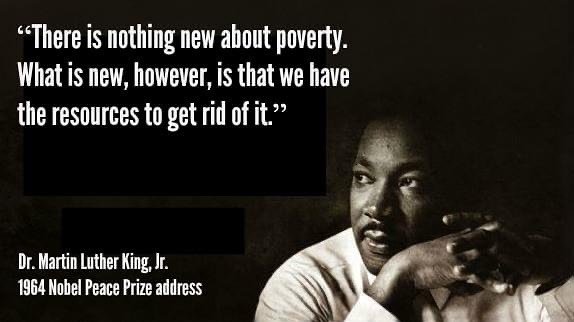
Henry David Thoreau wrote, “Wealth is the ability to experience all aspects of life.”
Where to Actually Start
- Calculate your real net worth: everything you own, minus everything you owe.
- Open a high-yield savings account.
Review your credit report for free at annualcreditreport.com.
- Build a three-month emergency fund.
If you’re ready to build an income stream of your own alongside all of this, Wealthy Affiliate is the step-by-step training I personally use and recommend.
- Join or start a wealth-focused book club.
- Get a will, even if it starts basic.
Sign up for a free financial education platform. FDIC’s Money Smart is a solid place to begin.
Your Legacy Starts With a Decision
We are no longer asking. We are building. Black Americans are rising out of oppression and creating real paths to freedom, ownership, and prosperity.
It won’t happen overnight, but it will happen with intention, the same intention my grandmother spent her whole life naming.
“You may not control all the events that happen to you, but you can decide not to be reduced by them,” Maya Angelou said.
Your legacy starts with a decision. To learn. To act. To lead.
Keep Building With Me
If you’re ready to build a real income stream the way I have, Wealthy Affiliate is the step-by-step training that taught me how, and it’s the most direct next step after an article about building wealth.
If this piece named something you’ve been carrying underneath the money, my book, The Complete You, goes deeper into the whole-person work behind wealth building, identity, healing, and legacy, all held together.
And if you want more of this every week, join the Soulful Sanctuary email list for weekly truth built for people rebuilding toward wholeness.
Let’s build. Let’s rise. Let’s reclaim what was always ours.
From disruption to wholeness. Rebuilding with you. Jamie, from the Soulful Sanctuary Frequency.
Let’s circulate dollars, elevate our families, and build a future rooted in justice, dignity, and power. ✊🏾

About Jamie London Clay

Jamie London Clay is an Identity Reconstruction Guide, Prophetic Teacher, Truth-Bringer, and Singer, the voice behind the Soulful Sanctuary Frequency. She helps people rebuild stability, identity, and faith after disruption through Spirit-led, whole-person frameworks. Learn more about Jamie London Clay.
This article offers a wealth of information and guidance on overcoming financial challenges, specifically tailored for Black Americans who face unique systemic barriers. I appreciate how it underscores the importance of community efforts and mindset shifts, alongside actionable strategies like real estate investment, credit building, and education. The historical context is also valuable, as it highlights how past injustices contribute to today’s wealth gap, making it clear that wealth-building is not only a personal goal but also a means of creating generational equity.
One question I have is about actionable first steps for those with limited resources or high debt levels. For individuals just starting their financial journey, what would be the most impactful initial moves? Should they focus more on credit repair, savings, or investing? Additionally, could you provide more examples of community-based initiatives that have successfully helped Black Americans build wealth and support one another? Thank you for this empowering and insightful piece!
Thank you so much for your thoughtful comment and insightful questions, Amalthe! I’m glad to hear that the article resonated with you and highlighted the importance of both individual and community-focused approaches to financial empowerment. Addressing the unique challenges Black Americans face is essential to creating lasting change, and I’m honored to be part of that conversation.
For individuals with limited resources or high debt levels, the most impactful initial steps often involve a balanced approach to credit repair, savings, and knowledge-building:
Credit Repair and Management: If debt is significant, focusing on credit repair is a powerful first step. Improving one’s credit score opens the door to better financial opportunities, like lower interest rates and more affordable housing options. Strategies like paying down high-interest debt first or consolidating debt with lower-interest options can make a big difference.Building an Emergency Fund: Creating a small, manageable emergency fund provides a sense of security and reduces reliance on credit in tough times. Even setting aside a little each month can build momentum and provide a foundation for future financial growth.Investing in Knowledge: If resources are limited, investing in financial literacy—through free workshops, online courses, or local community programs—can provide valuable knowledge on real estate, stock investment, and credit strategies. Knowledge is often the foundation for smart, long-term decisions.
In terms of community-based initiatives, programs like The Collective Blueprint and The Greenwood Project are doing incredible work. The Collective Blueprint supports Black entrepreneurs in building sustainable businesses, while The Greenwood Project focuses on financial literacy and investment skills for Black youth. These programs create networks of support and open pathways to financial growth.
Thank you again, Amalthe, for engaging so deeply with this topic. It’s a privilege to discuss such meaningful steps toward financial empowerment, and I’m here if you have any further questions!
Warmly,
Jamie